Do I Still Believe in Marriage? I Do!
Sep 29, 2026
This is a common worry for parents who are divorcing or considering separation. This blog goes over the effects of divorce vs "staying for the kids".

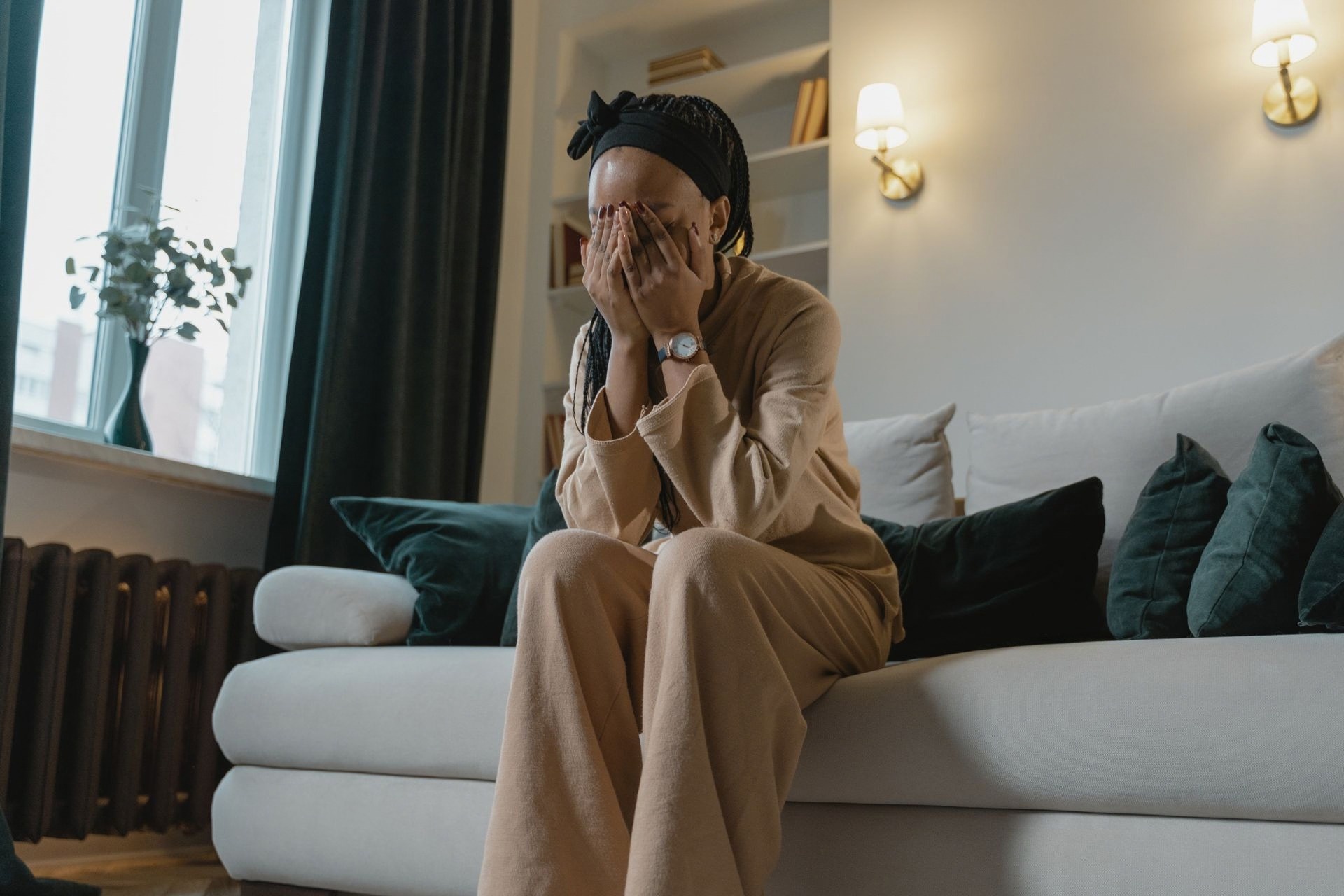
It is the question that keeps almost every divorcing parent awake at 3:17 AM. The guilt can feel entirely consuming, and the fear is very real: Am I ruining my kids' lives?
If you are currently carrying that weight, take a deep breath. Divorce itself is not inherently "bad" for kids. In fact, it can be a healthier alternative than remaining in a high-conflict home.
The end of your marriage will change your children's family structure, but it does not dictate their future happiness. Here is what you need to know about how kids actually process divorce, and how you can protect their peace (and yours) along the way.
Many people believe that a two-parent household is the best scenario for a child, regardless of what goes on behind closed doors. But reality paints a different picture.
When couples stay married while navigating constant tension, hostility, or active conflict, it creates a deeply stressful environment. Children are incredibly perceptive; they absorb the unspoken anxiety and instability in the room. As highlighted in Psychology Today, this chronic stress has far more negative effects on a child's nervous system and development than the logistical changes of a divorce.
Sometimes, choosing to divorce is the most protective boundary you can set for your children. It offers them the opportunity to grow up in a peaceful environment, even if that peace is split between two addresses.
One of the biggest fears parents have is that navigating two different households will confuse or destabilize their kids.
However, as experts at the Child Mind Institute emphasize, children are highly adaptable and resilient. Most are capable of thriving in two different homes, even when the rules, routines, and expectations look vastly different at each one.
Your house might have stricter bedtimes and rules, organic snacks, while their other parent's house might involve more late nights and pizza.
That is okay. Kids learn quickly how to adjust to different environments. What matters is not that the two homes are identical, but that your home feels safe, steady, and predictable.
If the divorce itself doesn't cause long-term damage, what does? Decades of research show that a child's outcome post-divorce primarily depends on three specific factors:
The Takeaway: Your children don't need a perfect or traditional family structure. They need to be shielded from the adult mess, and they need you to be a steady presence.
You might be reading this and thinking, “Cooperation sounds great, but my ex is impossible.”
If a collaborative co-parenting relationship feels completely out of reach due to a highly difficult or dysregulated ex, parallel parenting offers a highly effective alternative. This approach might involve consciously disengaging from the conflict, communicating only about the kids (perhaps through an app or email), and working to let go of the need to control what happens at the other house.
Whether you are co-parenting or parallel parenting, please remember to give yourself some grace. It is a learning process, and it is perfectly okay if you do not get it right on the first try. It will naturally take time to figure out how to navigate this new dynamic with less conflict.
Remember that you don't have to be a perfect parent to guide your kids safely through this transition. A steady presence is what truly matters. Try to focus on controlling what you can—your own reactions, the peace in your home, and the love you show your kids—while allowing yourself to release the rest.
Learning how to communicate with a high-conflict co-parent takes practice. I help clients manage these exact conversations in real time. We can even draft difficult text responses together until you feel comfortable setting those boundaries yourself. You do not have to live in a constant state of reaction.
If you want to lower the pressure, manage the stress in your home, and start rebuilding your peace of mind, let’s talk. Book a private coaching consultation today. I would love to learn about your specific challenges and build a practical plan to help you move forward.

"How do I keep my kids from seeing how difficult this divorce has become?"
The most honest answer is that you probably can't hide all of it. What you can do is focus on how they see you manage hard things: how you talk about their other parent, how you handle a hard moment when they're in the room, and whether you let your frustration take over your time together.
Kids don't need to see you handle this perfectly - they’ll benefit from seeing you persevere during something difficult.
There's real value in watching a parent navigate something genuinely hard with steadiness and care.
Here I’ll share some of the books, websites, podcasts, and experts to help make your journey a little less shitty!
If a custody evaluation is in your future, preparation is everything. You don't have to walk into it under-prepared and overwhelmed. Check out this must-listen episode where Dr. Karalynn Royster shares an insider’s look at what evaluators actually assess, why emotional regulation matters so much, and how to stay child-focused during the process.