When Everyone Seems to Have an Opinion on Your Divorce
Oct 6, 2026
Figuring out who gets what is so emotional. I share practical strategies to help you divide your property, navigate pet custody, and protect your peace.
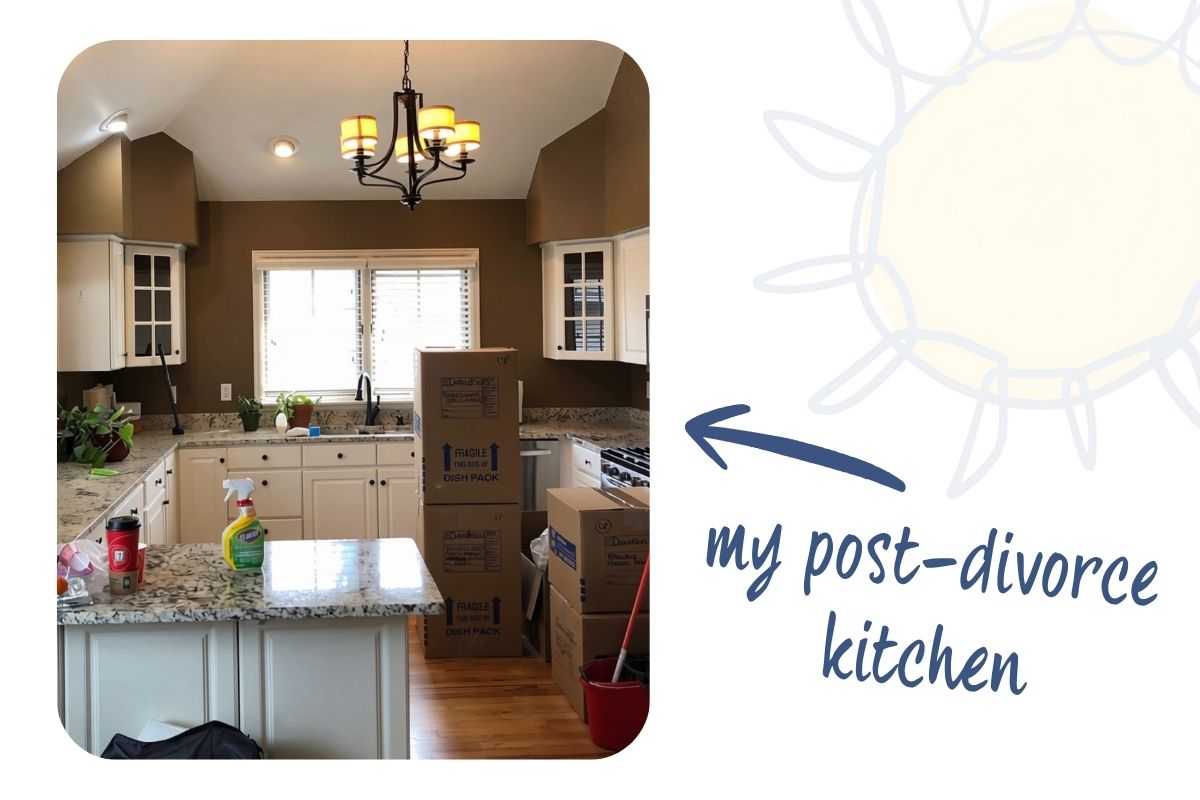
Dividing a life together ultimately includes dividing the things that filled it. Even in the most amicable separations, sorting through a shared home often comes with grief and a sense of overwhelm.
If you and your ex are in a place where you can negotiate, it is completely normal to still find the process challenging. Here is a look at why property division feels so heavy, and practical ways to make progress without losing your peace.
Before we start, a quick but important note: this guide is intended for couples who are able to communicate directly and safely with one another. If you are dealing with a high-conflict or abusive dynamic, your safety comes first. Dividing personal property is never worth compromising your well-being or violating a court order.
You might assume the biggest arguments will be over the house or the savings accounts. But in reality, the heaviest emotions are often tied to the most unexpected items.
Couples frequently find themselves in heated disputes over things like a collection of fridge magnets from past trips, the air fryer, the rewards on a Starbucks app, the "good" Christmas lights, or even an exercise bike neither person has used in a year.
Why? Because arguments over belongings are rarely about the actual objects. Instead, they’re a symbol of the memories, a desire for fairness, and the emotional exhaustion of the divorce process.
Recognizing that your attachment might be emotional rather than practical is the first step toward untangling the mess.
Before you sit down to negotiate over who gets what, take a step back and document everything. Walk through your home and create an inventory spreadsheet of your belongings.
It may help to take photos or videos of the items and their current condition. This can help you organize your thoughts and provide a clear, factual record of what exists, which helps keep emotions grounded in reality when the actual sorting begins.
When dividing household items, the goal should be to make progress with minimal stress—not to achieve 100% exact equality. Trying to make everything exactly even, down to the last spoon, will only exhaust you.
A great rule of thumb is the Five-Year Rule: Ask yourself: Will this item matter to me in five years?
Some couples find success using a "draft" system for the items they both want. You take turns picking one item at a time from a list until everything is claimed, ensuring both people get a fair say.
Another option is to use different colored sticky notes. Each of you can go through the house and put your sticky note on the things you want. Then you can discuss the things both of you want to keep. Hopefully that list is smaller and more manageable.
You absolutely want your legal team handling the division of your house, retirement accounts, and high-value assets. But for standard household items and furniture, try to handle the division between yourselves.
Paying a lawyer hundreds of dollars an hour to negotiate who gets a $300 television or a used sofa simply does not make financial sense. You will quickly end up spending more on legal fees than the items are actually worth. Save your resources for the things that truly impact your financial future.
For many of us, pets are family. However, in Colorado at least, pets are considered personal property.
If you and your ex cannot come to an agreement and you leave it up to the court, a judge will likely make a clinical decision based on property laws, which often results in an arrangement that neither person is happy with.
It is always best to work out an arrangement between yourselves by focusing entirely on the pet’s best interest. Ask yourselves honestly: Who does the pet favor? Who has the work schedule, space, and financial ability to properly care for them on a daily basis? What’s best for the kids?
Sorting through a house full of memories is painful, but it is also an opportunity. Letting go of objects tied to an old chapter can physically and mentally create space for something new.
When the process is handled thoughtfully, giving up that old furniture or those shared collections can start to feel less like a loss and much more like a transition into a fresh, unburdened space that is entirely your own.
When you are staring at a house full of memories, deciding what stays and what goes can feel completely paralyzing. Decision fatigue is real, so take your time and allocate a couple hours at a time. You don’t have to do everything in one sitting.
Sometimes, the most helpful thing you can do is bring in a neutral perspective to help you separate the emotional weight from the practical reality. If you want a partner to help you quiet the noise and negotiate this process with less stress, book a complimentary consultation with me. Let's lighten the load together.

I left the house quickly and left some things behind. Can my ex throw them away?
No, your ex should not maliciously destroy or throw away your personal property before the divorce is finalized, as it is still considered marital property.
Ask him/her if they’d be willing to move them to a different part of the house until you can get there, and then schedule a specific time when you would like to come pick up your remaining belongings, and ask for their confirmation.
If you’re worried about a confrontation, see if a friend or family member is willing to go with you.
Here I’ll share some of the books, websites, podcasts, and experts to help make your journey a little less shitty!
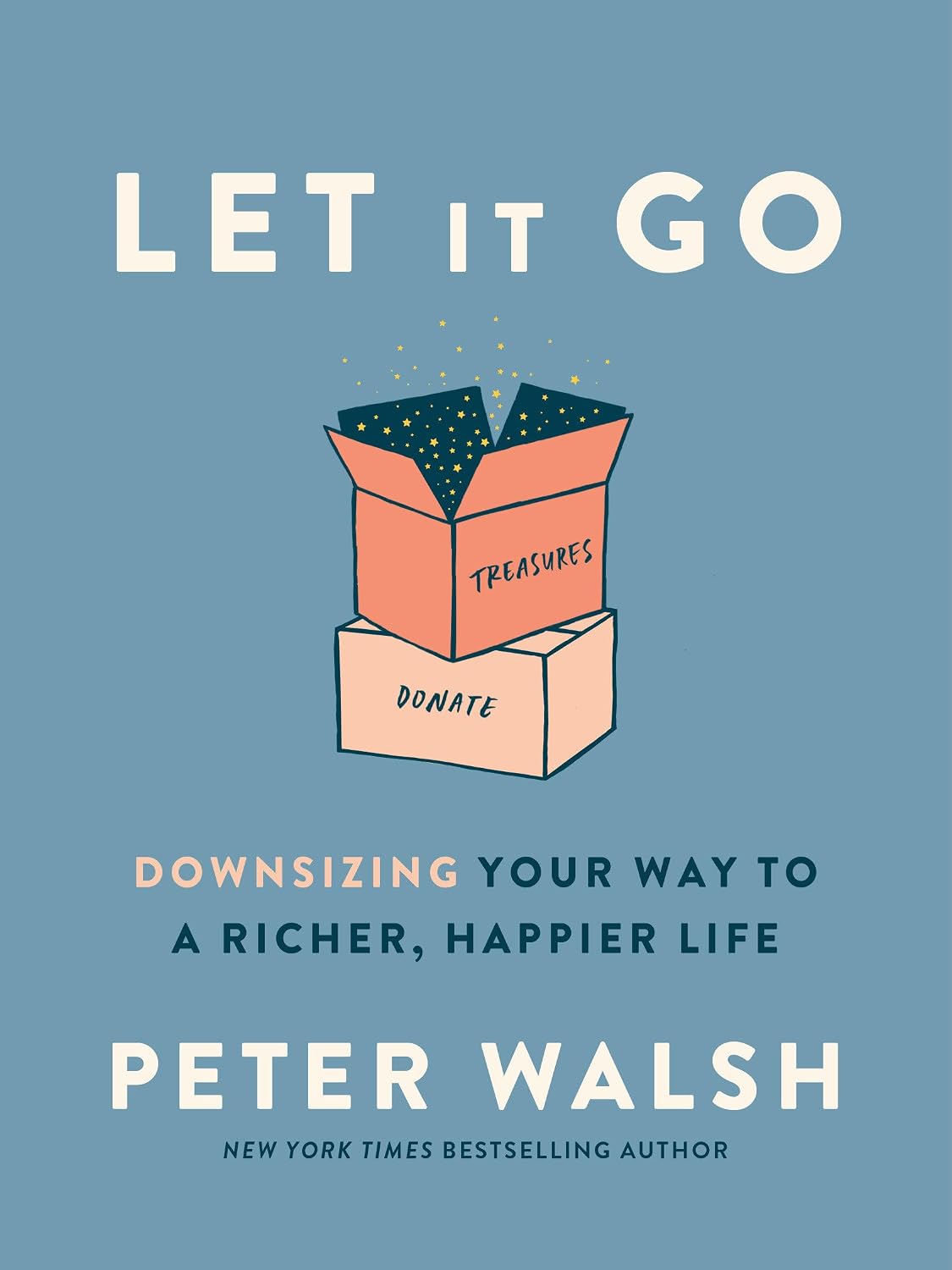
If you are struggling with the emotional weight of dividing your belongings, Peter Walsh’s Let It Go is an incredibly comforting and practical read. He offers compassionate advice for untangling your memories from physical objects, helping you realize that letting go of the 'stuff' can actually be your first step toward emotional freedom.