Do I Still Believe in Marriage? I Do!
Sep 29, 2026
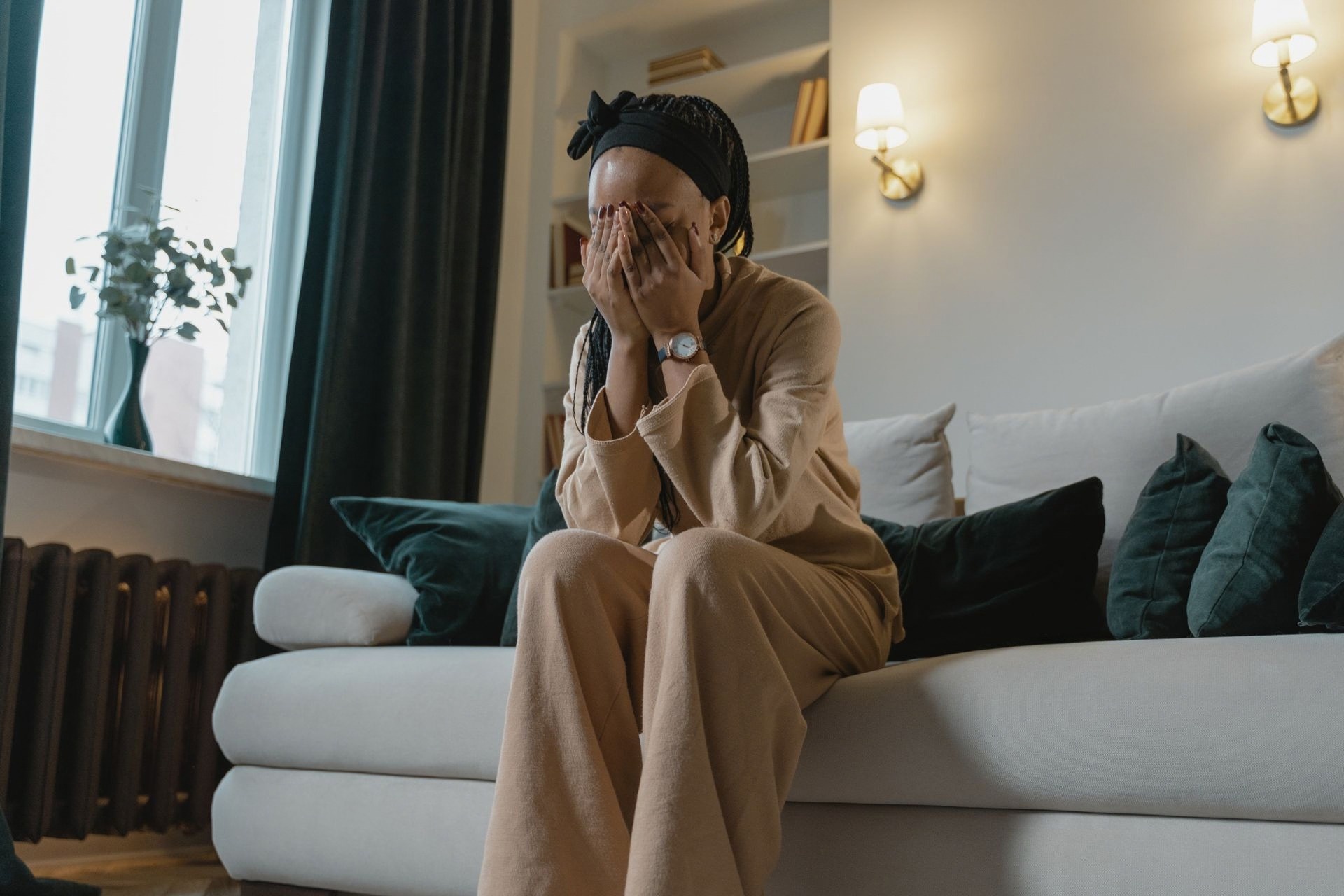
When my divorce ended I imagined a surge of relief, but instead I felt heavy and sad, not at all like the empowered, confident “new me” I was hoping for.

The day you sign your divorce decree is supposed to feel like crossing a finish line. The legal process is over. The months (maybe even years) of tense negotiations, endless paperwork, and deadlines are behind you. Friends may even tell you, “Now you can finally move on.”
And while that may be true, it’s also normal to feel let down - shouldn’t this feel more cathartic and celebratory?
When my divorce ended I imagined a surge of relief, but instead I felt heavy and sad, not at all like the empowered, confident “new me” I was hoping for. Many of my clients have shared they feel the same way.
Why Relief Doesn’t Always Come Right Away
We all know divorce is more than a legal event. Yes, it’s a change in your legal status, but it’s also the dismantling of a life you built, piece by piece. The decree doesn’t erase the emotional bonds, routines, or identity you had in that marriage. When the court process ends, you finally have space to feel what’s been pushed aside while you were in “survival mode.”
The truth is, signing the decree can amplify emotions you didn’t expect:
Grief for the marriage, the dreams you had, and the version of yourself that lived in that chapter.
It’s not unusual to feel a post-divorce crash, even if you wanted the divorce. It’s a real form of emotional whiplash.
This is a Transition, Not a Failure
If you’re feeling more depressed after the decree than you expected, it doesn’t mean you made the wrong decision. It could mean you’re letting in some of the emotions you suppressed during the process now that you finally have some time for them. It’s normal for reality to set in once the structure, adrenaline, and goal you were working toward are gone. Recognizing this dip as part of the transition can help you move forward.
What Helps When the Empowerment Doesn’t Show Up Right Away
You may have been holding your emotions at bay just to get through the process. Now that it’s done, your mind and body are finally letting them surface. Let them. Journal, talk with a trusted friend, work with a therapist or coach. Naming your feelings helps you process them.
Moving on doesn’t have to mean you feel amazing right away. It means you’re slowly building a life that reflects your values, your priorities, and your sense of self. Empowerment grows in small, consistent steps—not as an instant reward for signing papers.
Divorce removes the familiar. Replace some of those routines with things that ground you—a Saturday morning hike, dinner with a friend, or a class you’ve wanted to take. These give you a sense of stability while you rebuild.
It’s easy to let “divorced” become your defining label. But you are still you—with history, skills, passions, and dreams that existed before and will exist after. Start reconnecting with those parts of yourself.
Instead of pressuring yourself to “have it all figured out,” treat this as a season of exploration. What do you want more of in your days? What relationships feel nourishing? Where can you experiment without huge stakes? Curiosity leaves more room for hope than perfectionism.
You’re Not Alone in This
If you’re surprised by your post-divorce feelings, know that you’re not the only one. Many people expect a triumphant moment after the decree, only to feel like they’ve hit an emotional wall. It’s normal. And it’s temporary.
You’ve just gone through a major life change. Your nervous system, your routines, and your heart all need time to adjust. Empowerment will come—not as a single lightning bolt, but as a series of choices you make to care for yourself, reconnect with who you are, and build the life you want.
One day, you’ll look back and see that signing the decree wasn’t the moment you became empowered—it was simply the day the work of rebuilding began.