
Do I Still Believe in Marriage? I Do!
Sep 29, 2026
Support your children as they adjust to two homes with emotional guidance, predictable routines, and practical tools for smoother transitions year-round.

Adjusting to life in two homes is almost always a big shift for children. Even when both households are loving and supportive, moving back and forth can stir up mixed feelings, and emotions often run high. Kids of all ages often need a little extra reassurance, predictability, and a steady presence to help them feel grounded during transitions.
Here are a few gentle ways you can support them as they learn to feel at home in both places.
Like many of us, kids feel safer when they know what to expect. Talk through the schedule with them in age appropriate language so they understand when they’ll be at each home.
Using a shared family calendar*, paper or digital, can help them see the plan and refer back to it whenever they need, instead of holding it all in their minds. This is especially helpful during vacations or holiday celebrations when the usual routine may shift more than usual.
Predictability will give them a sense of stability, especially during times of change.
Scroll below for a recommended family calendar app*
Having the basics in both parents’ homes helps reduce stress for both you and your kids. Stock each home with pajamas, toiletries, favorite snacks, and other daily comforts so nothing feels unfamiliar or missing. Some parents will buy two of each essential item so they can always have the same familiar item in both homes without having to bring it back and forth.
For more sentimental items like a favorite stuffed animal or a favorite blanket, you can create a system to make sure they don’t get left behind, such as a small travel bag or a checklist to make transitions easier.
More Just for You > How To Talk To Your Kids About Holiday Changes
One of the best things you can do is encourage kids to speak openly about what feels hard, confusing, or sad. Let them know those feelings are normal and welcome. Listening without rushing to solve everything builds trust.
Simple reassurance like, “It’s okay to feel that way,” help them feel seen and supported.
We know children absorb more than we realize. Giving your child a safe place to express whatever they feel - including love for their other parent - is truly a gift to them (and you!). Can you make a commitment to yourself not to say anything negative about the other parent or their household? It may be the most important gift for your child during this process.
And never ask your child to pass along messages or report back on the other home. Kids need space to be children, not mediators.
Small choices help kids feel settled in both homes. Let them pick their snacks, choose the décor or bedding for their room, or help shape a few routines that belong to your time together.
Giving them some control over these choices shows them both homes are truly theirs.
When they arrive from the other parent’s home, let them settle in before jumping into questions, chores, or plans. They may need a quiet moment or a familiar activity to shift gears.
A gentle transition sets the tone for the rest of their time with you.
More on Co-Parenting > 5 Steps to Stay Sane When Co-Parenting Styles Clash
Children need to hear that they are cared for in both homes and that none of the changes are their fault. Repeat it often, even if they don’t ask. Kids sometimes hold worries quietly, and gentle reminders help ease the weight they’re carrying. Reassurance becomes a steady anchor even if they don’t realize they need it.
Adjusting to two homes takes time, and every child finds their rhythm at a different pace. With steadiness, predictable routines, and room for honest feelings, they can build comfort and belonging in both places.
Your calm presence helps them feel safe in theirs. 💛

My kids get anxious during transitions between houses. What can I do to make those moments easier for them?
Even though it’s been 10 years since my own divorce, I distinctly remember those transition days. They are hard on everyone, so be easy on yourself and the kids. I found that rushing added a lot of stress.
Can you get things ready early so there’s less to do day-of (looking for lost items, collecting homework, etc.)?
Remind them when you’ll see them next: "I'll talk to you tonight, and we’ll see each other…” You may even have a little saying or mantra that you like to share with each other, “I love you to the moon and back!” to transition on a high note.
Staying positive will also reduce feelings of guilt they may have when leaving you. Most importantly, be flexible to find what works for your kids and you, and commit to open communication so they can share any stress they’re feeling.
Here I’ll share some of the books, websites, podcasts, and experts to help make your journey a little less shitty!
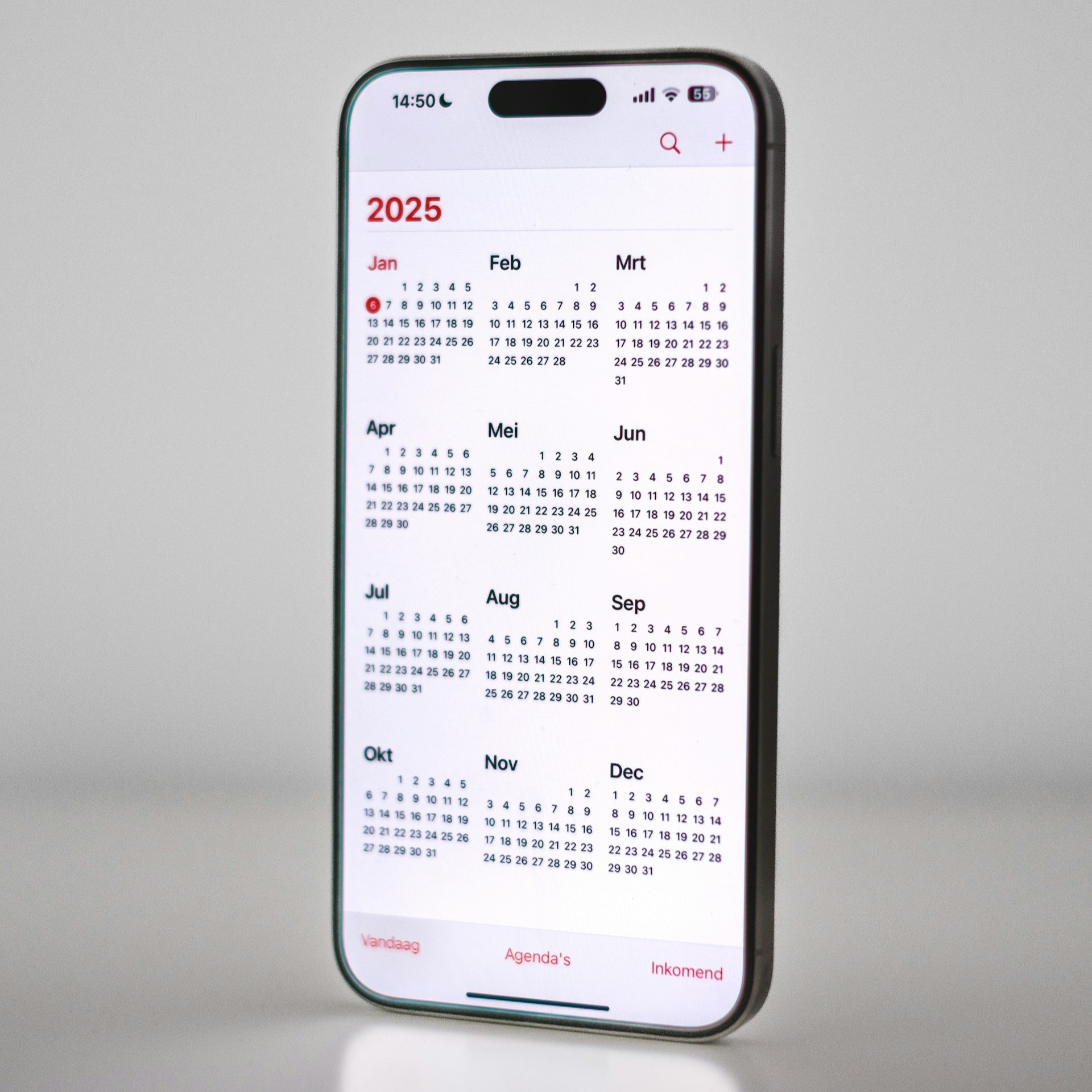
Cozi Family Organizer (or any preferred shared calendar app)
Kids feel safer when they know what to expect. A shared calendar gives them a clear, accessible overview of when they’ll be in each home—especially helpful during holidays and schedule changes.