When to Introduce Your Kids to a New Partner After Divorce
Sep 8, 2026
Figuring out what to do with old wedding and family photos is incredibly emotional. I share practical ways to store old memories and how to capture new ones.

When you are trying to heal and move forward, staring at a framed wedding photo or scrolling past old family vacation pictures on your phone can feel like a punch to the gut.
It is completely normal for these photos to trigger a massive wave of sadness, anger, or deeply mixed emotions. In fact, for many people, the immediate, knee-jerk reaction is to throw them all in the trash, delete the folders, or even burn them.
I know exactly how tempting that can be. But before you grab a garbage bag, take a deep breath. Here is a practical, step-by-step guide on what else to do with your photos so you can protect your peace today without regretting your choices tomorrow.
Many people who destroy their wedding and early family photos in a moment of anger later deeply regret it. Right now, you might genuinely believe you will never want to look at those pictures again. But time changes our perspective. Years down the road, you may want to look back on your life just to see how far you have come.
More importantly, if you have children, these photos are a part of their history. When they are adults, they will likely want to look back on them. In the unfortunate event that their other parent eventually passes away, these photos will become even more precious to them.
Sorting through years of memories to decide what is "worth" keeping takes an enormous amount of emotional energy that you probably do not have right now. The quickest, easiest solution is to keep them without looking through them, and get them entirely out of sight.
Take a walk through your house and remove the old photos from their frames. You do not have to get rid of the frames—stack them in a closet so you can fill them with new memories later.
Gather all your physical photos and wedding albums and pack them securely into a box. Then, do yourself a massive favor: label the box clearly. Write something like "Wedding & Early Family Photos" on the outside.
This step is crucial. If the box is unidentifiable, you might stumble across it in the garage a year from now, open it out of curiosity, and accidentally trigger a wave of grief on a random Tuesday. Labeling it clearly allows you to easily find it when your kids ask for it, while giving you the power to walk right past it when you aren't in the headspace to look inside.
Digital photos can be just as triggering as physical ones, especially when your smartphone decides to surprise you with a "Memory from 5 Years Ago!" notification.
If you are dreading scrolling through years of your camera roll to find every picture, let your phone do the heavy lifting. On most modern smartphones, you can simply search your photo app by a specific person's face. You can click on your ex's face, select all the photos they appear in, and move them in bulk.
To protect your daily digital peace, move all of these photos into a separate, hidden folder or a separate cloud drive. Some people find it incredibly helpful to upload them to a Google Drive account they rarely use, and then delete them from their phone entirely. The photos are still safe and preserved for the kids, but they aren't sitting in your pocket waiting to ambush you.
Bonus Tip: Both Apple and Android photo apps also have a setting to "feature this person less," which stops your phone from generating those surprise memory videos of your ex!
Once you have tucked the old chapter away, I want to gently encourage you to start capturing your new one.
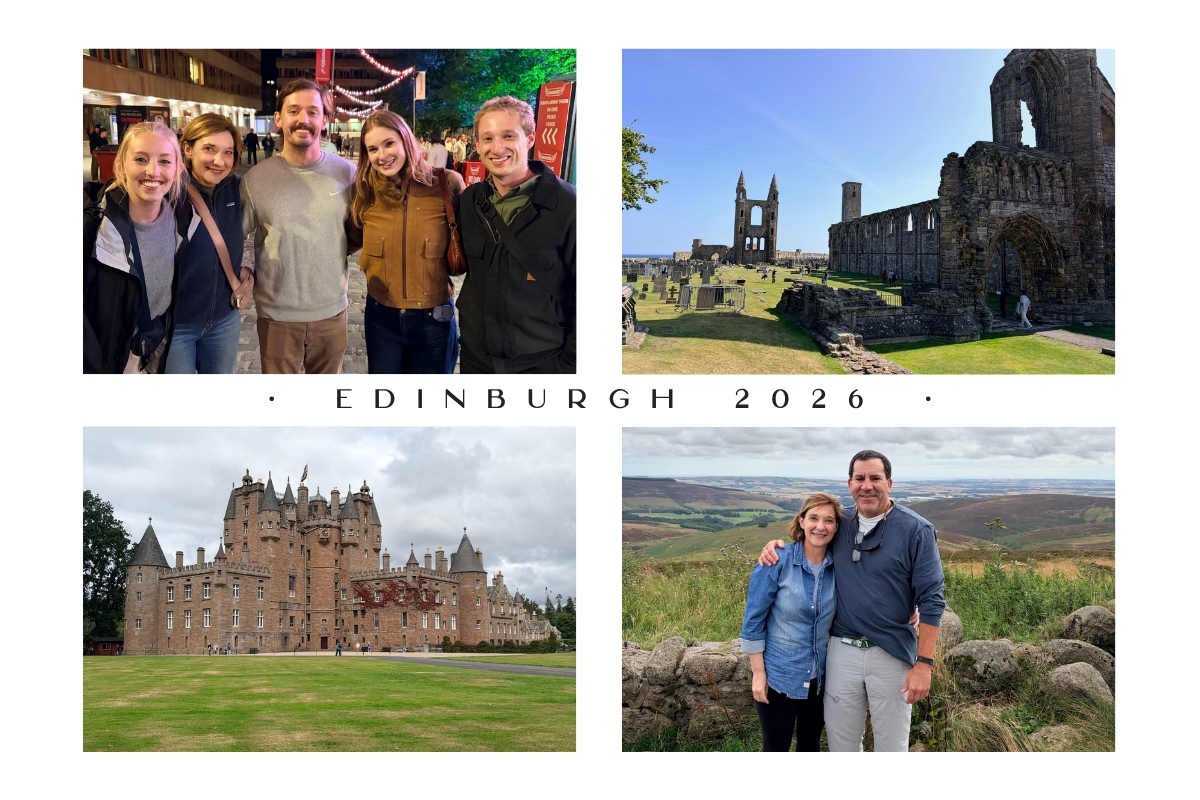
Many newly divorced parents decide to book a professional photo shoot with just them and their kids. It is a loving way to establish a new set of photos to cherish, decorate your newly transitioned home with, and celebrate your family exactly as it is right now.
But you don't need a professional. Take more photos of the everyday moments. Capture Sunday morning breakfasts, playing outside, or movie nights on the couch.
Most importantly: make sure you are actually in the photos. We often spend so much time taking pictures of our kids that we forget to hand the camera over. Take the selfie. Ask a friend to snap a picture of you and the little ones. You will cherish these moments, and your kids deserve to have photos with you in them.
If you typically post on social media, don't be afraid to share these new milestones, weekend plans, and everyday joys. Many people find that sharing these new, happy moments with their supportive friends and family feels incredibly empowering.
In my experience navigating my own divorce, I know exactly how heavy it feels to pack up the physical pieces of your past. I have had many clients come to me feeling stuck in this exact stage, unsure of how to clear the clutter without erasing their family's history.
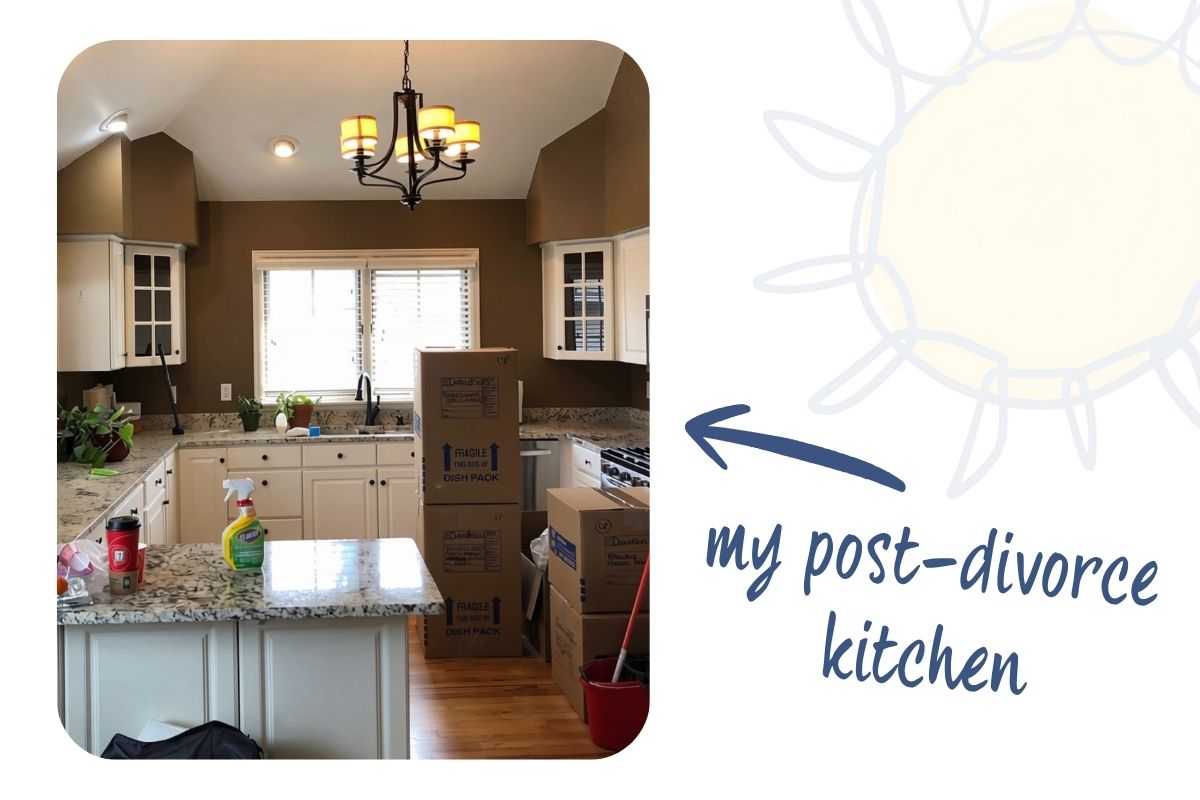
You don't have to figure it out alone. Together, we can work on exactly how to handle the difficult transitions that come with this territory—whether that means letting go of the marital home, figuring out what to do with your shared belongings, or taking the first steps toward building a space that feels like yours. If you need practical support to remain a stable presence for your children, and want to work through the challenges of figuring out a path forward that is truly in your best interest, let's connect. Book a complimentary consultation today, and let's map out a plan.

Should I delete all my old wedding photos and anniversary posts from my Facebook and Instagram?
This is entirely up to you and what makes you feel peaceful. If seeing them on your grid bothers you, most social media platforms have an "Archive" feature.
Archiving allows you to hide the photos from your public profile and timeline without permanently deleting them, keeping them safe but completely out of sight.
Here I’ll share some of the books, websites, podcasts, and experts to help make your journey a little less shitty!

If you are feeling paralyzed by the thought of packing up your old life, this short video is a fantastic watch.
It offers a gentle, practical perspective on how to untangle your memories from physical objects, giving you permission to let go of the physical clutter without feeling like you are erasing your past.